H2-2026: Call for applications for access to the national e-resources
DeiC's legal basis is described in Executive Order BEK 615 of 26/05/2023.
"Executive Order on the Danish e-Infrastructure Consortium's tasks and organization etc."
Computing power through DeiC
As a researcher at a Danish university, you have various opportunities to access e-resources at both Danish and foreign HPC facilities.
The national HPC resources coordinated through DeiC consist of:
- National e-resources, which are distributed after call and application, as described on this page. There are two annual calls for national HPC resources
- Local resources, which are applied for via your own university
- HPC Sandbox resources that can be used for testing and applied for via the HPC Helpdesk
Through the EuroHPC collaboration, Danish researchers also have access to a number of European supercomputers via DeiC.
Process for allocation of national e-resources
There are two annual calls for national HPC resources. The applications first undergo an administrative check and then a technical and professional evaluation. A grant letter is then sent to the recipients of the national HPC resources. Subsequently, the recipients also receive an email invitation from the relevant HPC center. Resources are allocated at the beginning of July and the beginning of January respectively. Read more about the process for allocation of national HPC resources (in Danish)
E-resource committee
The technical evaluation of the applications is handled by DeiC's central Back Office function by the HPC department in consultation with the e-resource committee. The e-resource committee is appointed by DeiC's Board of Directors.
See the members of the e-resource committee here.
HPC sandbox
To give as many people as possible access to HPC, and to increase the skills of new users, computing time is also offered on a so-called "sandbox" part of the national resources.
The plan is that everyone associated with Danish universities should be able to access the various national HPC resources. The aim is to provide access to test runs, student projects, projects where you are preparing a major application for computing time and also access to computing time in connection with bachelor's and master's thesis projects, as well as to teaching classes on a smaller scale. In this way, more people have the opportunity to get acquainted with HPC and gain an understanding of how it can be used in research. All to develop the HPC skills of potential users. Read more about the HPC sandbox here
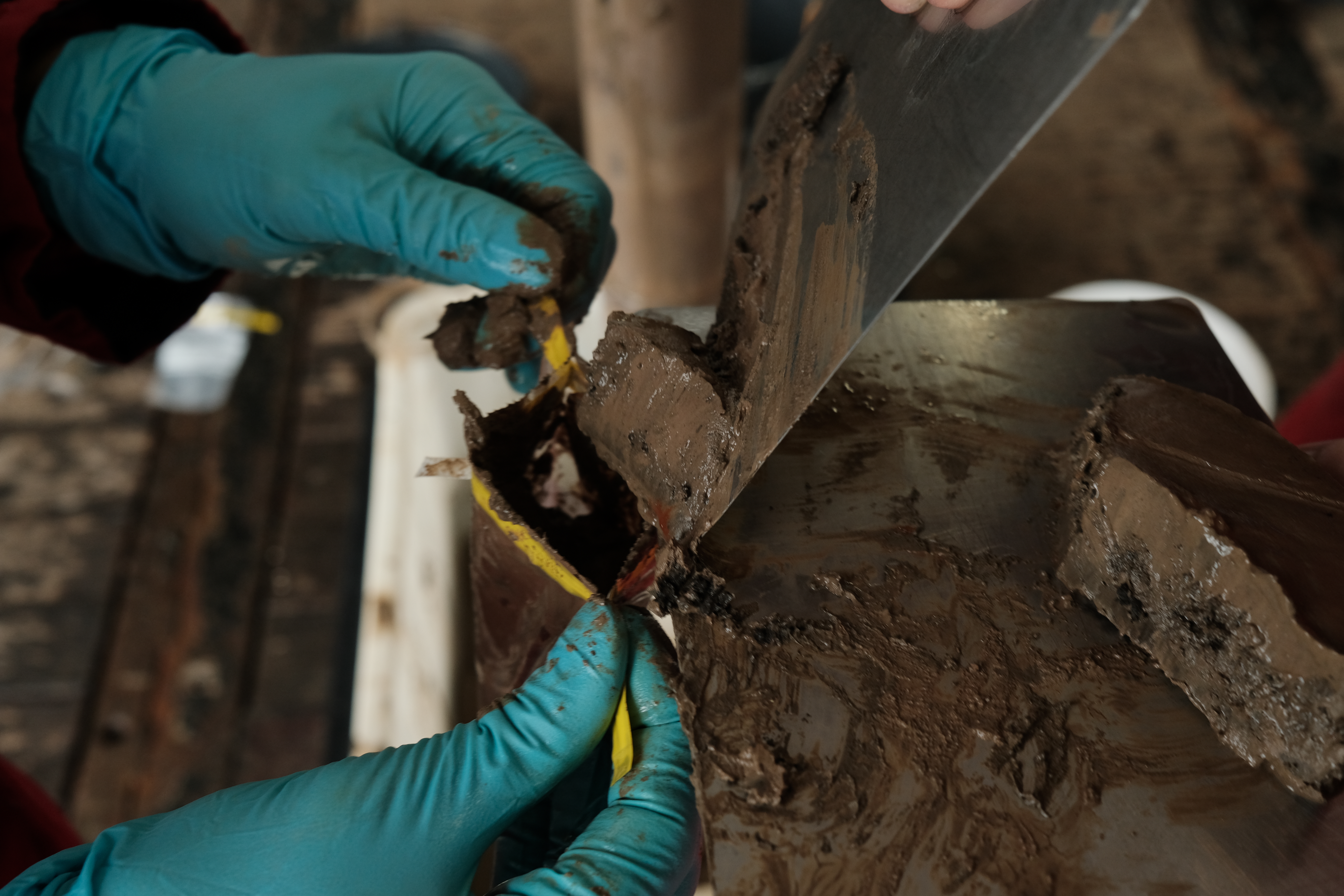
- HPC
- DeiC Interactive HPC
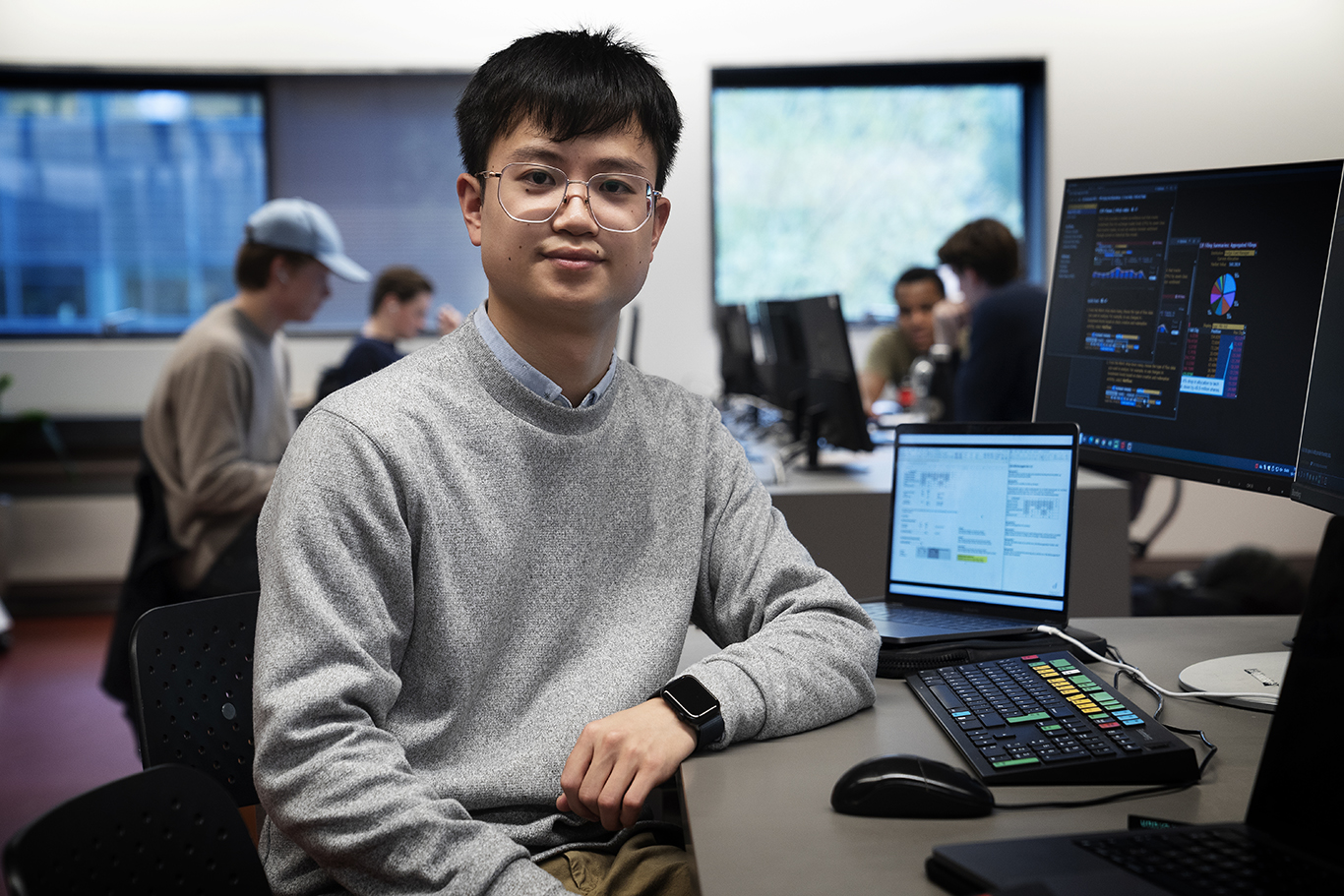
- Social Science
- DeiC Interactive HPC
- Labour Market
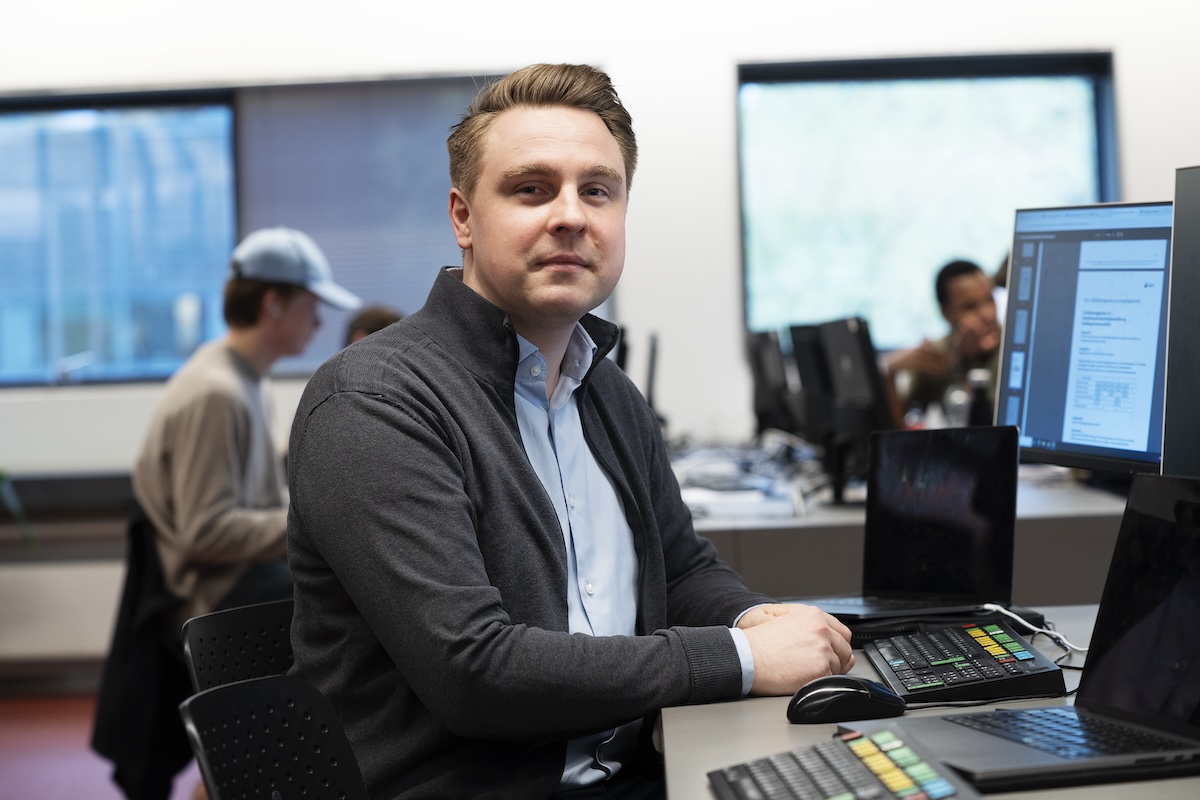
- Social Science
- DeiC Interactive HPC
- Patents
- Humaniora
- DeiC Interactive HPC
- Sprogvidenskab
Get help (HPC)
The application process is described in the application guide above. If you are unsure about what to choose and how to apply, please contact your university.